

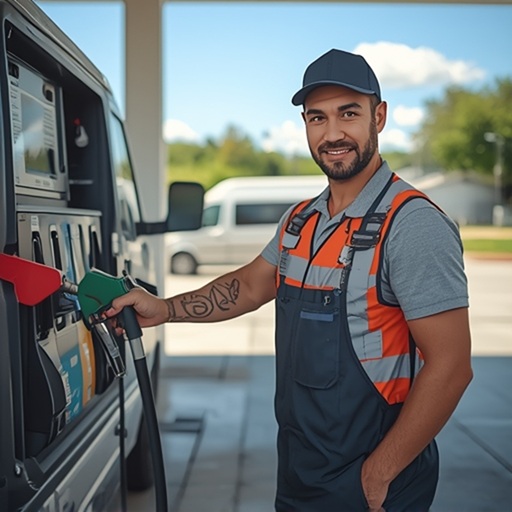
In a recent deployment, Wex leveraged customized fleet card settings to cut unauthorized purchases and streamline reporting workflows across their driver network, showcasing how they implemented scalable fleet control on https://www.wexcard.com/.
Digital fuel cards are transforming the landscape of fleet management, blending advanced technology with streamlined financial controls to deliver unmatched operational efficiency. As businesses across the U.S. look to tighten costs, boost visibility, and secure their fuel spend, fuel cards have emerged as indispensable tools for managing vehicles on the road.
Reinventing Payment at the Pump
Fuel cards are no longer just plastic alternatives to credit cards. Today’s fleet fuel cards operate as digital platforms that integrate fuel purchases, maintenance tracking, and driver monitoring into one unified system. Businesses can now manage fleet-wide expenses from a single dashboard, optimizing routes and improving overall performance while maintaining firm control over every dollar spent at gas stations and truck stops.
This shift is particularly vital for companies operating regionally or nationally. Fleet cards offer consistent access to a large network of fueling locations, giving drivers convenience while allowing the company to control usage. Discounts and rebates, often tied to per-gallon fuel spend, further incentivize the move toward digital card services.
Data-Driven Control for Fleet Managers
The real power behind fleet cards lies in the data. Every transaction captured, whether it’s fuel, maintenance, or a roadside service, is recorded and instantly available for analysis. Fleet managers can monitor purchases in real-time, enforce location-based restrictions, and set parameters around time-of-day use or pump limits.
Incorporating digital tools into fuel card systems has also enhanced reporting accuracy. Detailed transaction logs eliminate the need for manual reconciliation while exposing misuse and inefficiencies. The combination of card controls and data transparency lets companies optimize costs while ensuring compliance with business policies.
Security and Fraud Prevention: A New Standard
Fuel fraud remains a leading concern for businesses with vehicles on the road. Digital fuel cards are engineered to minimize that risk. Advanced technologies such as chip and PIN authorization, driver-specific IDs, and mobile app integrations with biometric login provide layered security. Managers receive real-time alerts for suspicious activity like purchases outside authorized hours or attempts to buy non-fuel items.
Suspicious transactions can be flagged or declined instantly, reducing the exposure to fraud and preventing significant financial losses. Businesses can also deactivate cards remotely and assign new credentials on the fly, ensuring that drivers are back on the road with minimal disruption.
Real-World Savings Add Up
The most compelling benefit of digital fuel cards is cost savings. Competitive rebates per gallon, combined with network-specific discounts, can yield thousands in annual fuel savings depending on fleet size and vehicle type. Diesel and gasoline rates vary widely by state and region, but card programs lock in advantages at preferred stations, making predictable budgeting easier.
Service-related perks, such as discounts on maintenance or roadside assistance, further drive down operating costs. Some programs also offer tax-compliant reporting, simplifying expense classification for government and corporate accounting standards.
Smarter Operations for a Mobile Workforce
For today’s mobile businesses, time spent on the road is money. Digital fuel cards streamline fleet operations by automating manual tasks. Applications are now designed for quick setup, with most applicants approved in just a few business days. Once activated, cards are ready to use across thousands of fueling locations nationwide, including both gas stations and diesel-specific truck stops.
Mobile apps support everything from locating in-network stations to reviewing expense history, and fleet admins can make instant updates to card settings remotely. As digital services evolve, fleet cards are no longer limited to fuel, they now act as central command systems for managing service calls, scheduling maintenance, and capturing odometer data for preventative care.
Aligning with Business Needs and Government Oversight
Businesses of all sizes, from small service teams to large municipal fleets, benefit from the flexibility of digital fuel cards. Custom controls allow each organization to match card use to business needs, and many programs comply with government fuel and reporting guidelines.
Cards can be categorized by driver, vehicle, or route, making it easier to enforce accountability and generate department-specific insights. Whether the goal is cost reduction, fraud prevention, or streamlined operations, fleet cards provide tools to make those objectives achievable with minimal overhead.
The Digital Evolution of Fleet Payments
Digital fuel card applications have eliminated many of the barriers to adoption. Online portals guide businesses through card selection, spend limit customization, and user setup with ease. From the first transaction to the hundredth, digital platforms provide continuous oversight and actionable insight, redefining how companies manage fuel expenses.
As data becomes more integrated into fleet management, fuel cards serve as a central touchpoint where vehicle activity, driver behavior, and payment information converge. Businesses gain better control, deeper visibility, and increased savings, all without sacrificing convenience.
