

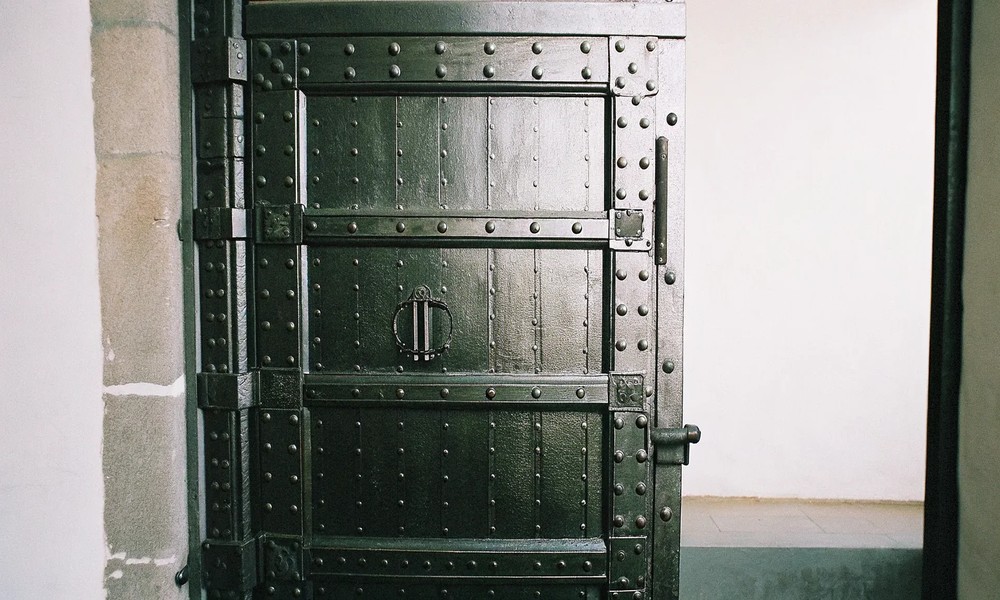
What are the key maintenance issues for hollow metal entry doors and how to address them?
A building’s first impression often walks through its entry doors. Hollow metal entry doors, trusted for their toughness, quietly take daily abuse in offices, schools, hospitals, and industrial spaces. Yet even steel-clad reliability has its weak spots, especially without consistent care. When these doors fail, security, insulation, and professional image all take a hit.
Understanding Hollow Metal Entry Doors
Composition and Common Uses
Hollow metal doors are typically steel or aluminum shells filled with insulation or a core material, balancing strength with a lighter weight. Commercial buildings turn to these doors for entryways, stairwells, fire exits, and security zones because they stand up to impacts and resist forced entry much better than wood or fiberglass.
Why Maintenance Matters: Longevity and Security
A door is only as good as its weakest hinge or corroded frame. Regular maintenance keeps doors not just functional, but also energy-efficient and compliant with safety codes. Neglect leads to more frequent replacements, security vulnerabilities, and failures during emergencies.
Case Study: Typical Maintenance Challenges in Commercial Settings
Scenario Overview: High-Traffic Office Building
Picture the entry doors in a busy office tower: hundreds of openings a day, deliveries banging into frames, winter salt sloshed onto thresholds. Over time, even the beefiest hollow metal door starts to show signs of fatigue.
Identifying Early Signs of Wear and Tear
Scratches that reveal metal, sticky locks, misalignments causing air leaks, or a freshly-rusted patch around the base, all are early warnings. Catching these problems before they escalate saves owners from costly downtime or emergency repairs.
Key Maintenance Issues and How to Address Them
Corrosion and Rust Prevention
Moisture is the natural enemy of hollow metal doors. Water infiltration, salty air, or winter de-icing chemicals accelerate rust, especially at bottom edges or seams. Promptly touch up paint chips with rust-inhibiting primer and topcoat. Clean off salts and treat problem spots before rust spreads inside the frame.
Alignment and Frame Warping Troubleshooting
Repeated impacts or settling walls can knock a door out of alignment, making it hard to close or creating gaps that leak air. Adjust hinges or replace worn pins. Sometimes, a frame may need re-anchoring or shimming. Ignoring misalignment can wear out weatherstripping prematurely or compromise security.
Seal and Weatherstripping Replacement
If you feel drafts or hear outside noise clearly, worn or missing seals are likely to blame. Replace gaskets or sweeps at the first sign of flattening or tearing. Proper seals keep energy costs down and prevent water intrusion that leads to structural damage.
Hardware Wear: Hinges, Locks, and Closers
Heavy use wears out moving parts first. Hinges should be lubricated and checked for play. Locksets and panic bars may loosen over time, tighten screws and test mechanisms frequently. Door closers need seasonal adjustment to ensure smooth, controlled closing without slamming.
Surface Damage: Scratches, Dents, and Paint Care
Dents and scratches aren’t just cosmetic. Exposed steel invites corrosion. Minor dents can sometimes be tapped out; deep scratches should be sanded, primed, and repainted. Maintain paint regularly to preserve both appearance and protective function.
Specialized Care for Fireproof and Security Doors
Maintaining Fire Resistance Integrity
Fire-rated doors have special seals and core materials. Never drill holes or modify these doors without consulting a professional or the manufacturer. Check that all labels remain visible and undamaged.
Ensuring Security Features Functionality
Security hinges, reinforced frames, and multi-point locks require extra vigilance. Test all locking mechanisms regularly and look for signs of forced entry, tampering, or unusual wear.
Automatic Hollow Metal Doors: Unique Maintenance Needs
Automatic entry doors add electrical and sensor systems to the maintenance mix. Sensors and safety strips must be cleaned and tested weekly to prevent malfunctions. Operators and moving parts should be lubricated according to manufacturer guidelines. If the door fails to close or open smoothly, check for electrical faults or worn gears.
Practical Maintenance Routines and Scheduling
Consistency beats crisis. Daily spot-checks, monthly lubrication, and annual deep inspections create a cycle of prevention. Simple daily tasks include wiping down surfaces, checking for smooth operation, and inspecting seals. Monthly, focus on hardware, alignment, and lubrication. Annually, schedule a full inspection by trained technicians, these can catch hidden issues and keep certifications current.
Some tasks, like seal replacement or basic hinge lubrication, are doable in-house. For electrical troubleshooting or fire door compliance, bring in specialists.
Tools and Products Recommended for Maintenance
Essential supplies include:
– Rust-inhibiting primer and exterior-grade paint
– Silicone or graphite-based lubricants
– Replacement seals and weatherstripping
– Mild cleaning agents to avoid paint damage
– Screwdrivers, wrenches, and levels for hardware adjustments
Sourcing high-quality parts and hardware from trusted suppliers helps avoid recurring issues. For those who want doors built for resilience, experts recommend consulting resources like Door Doctor hollow metal entry doors for models and service options tailored to demanding environments.
Conclusion: Maximizing Door Lifespan Through Proactive Care
Smart maintenance isn’t just about checking a box. Doors that last decades have owners who keep schedules, spot issues early, and know when to call a professional. Every well-maintained hollow metal door is a testament to proactive care, blending security, efficiency, and lasting value.
A final checklist for owners: keep surfaces clean and coated, inspect alignment, replace seals at the first sign of wear, and never ignore minor hardware issues. The reward is an entryway that’s always ready, rain, snow, or peak traffic.
