

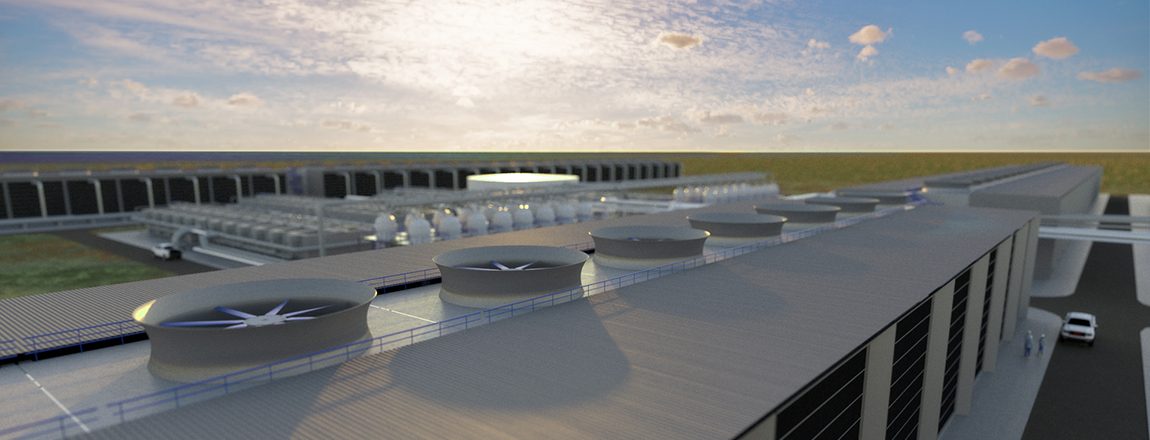
Designing large-scale industrial facilities is a highly specialized task that demands more than standard architectural skills. It requires deep knowledge of industrial workflows, equipment integration, regulatory compliance, and long-term operational planning. That’s why choosing a specialized industrial architect is not just recommended — it’s essential.
Industrial architects combine architectural design with technical insight to create facilities that are safe, scalable, and operationally efficient. Whether you’re building a manufacturing plant, distribution center, or food processing facility, working with a specialist ensures your project is positioned for long-term success.
Understanding the Role of an Industrial Architect
An industrial architect goes beyond form and aesthetics. They design buildings that serve highly functional and often technical purposes. Their work integrates:
- Process-driven layouts
- Structural considerations for heavy machinery
- Utility coordination (electricity, HVAC, water, compressed air)
- Regulatory and safety compliance
- Efficient flow of people, materials, and products
Unlike commercial or residential architects, industrial specialists must deeply understand each client’s production processes and operational goals.
Tailored Design for Complex Facilities
Large industrial facilities often include multiple zones with varying requirements — from raw material intake and storage to production lines, packaging areas, laboratories, and administrative offices. Each space must be designed for:
- Durability under harsh conditions
- Easy maintenance and sanitation
- Compliance with industry-specific standards (e.g., CFIA, FDA, GFSI)
- Future adaptability for equipment upgrades or expansions
Architects with industrial experience know how to configure these environments for optimal performance while ensuring worker safety and regulatory compliance.
Why Generalist Firms May Not Be Enough
General architectural firms may excel in office or retail design but lack the experience required to understand the intricate needs of heavy industry, automated systems, or GMP-regulated environments.
A specialized firm like architecte industriel Stendel + Reich brings decades of experience in designing high-performance industrial spaces. Their approach blends architectural integrity with technical problem-solving, ensuring that form always follows function. Clients benefit from precision planning, greater project control, and facilities built to enhance productivity from day one.
Seamless Integration with Engineering and Operations
Industrial architecture is highly collaborative. It demands coordination with engineers, plant managers, equipment suppliers, and construction teams. Experienced industrial architects:
- Coordinate structural needs with mechanical and electrical systems
- Design around large-scale automation and robotic systems
- Create layouts that minimize production downtime during construction or upgrades
- Provide flexibility for phased construction or future expansion
Without this integration, design missteps can result in costly delays, inefficiencies, and even operational hazards.
Long-Term Cost Efficiency
An experienced industrial architect doesn’t just design buildings — they design investments. Thoughtful space planning, energy-efficient systems, and future-ready infrastructure all contribute to cost savings over the lifespan of the facility.
By considering factors like:
- Energy consumption
- Maintenance access
- Material durability
- Workflow optimization
They ensure that the building continues to perform effectively well into the future.
Safety, Compliance, and Environmental Responsibility
Safety and compliance are non-negotiable in industrial design. Industrial architects incorporate:
- Fire suppression systems
- Clear egress routes
- Controlled air quality zones
- Separation of hazardous and clean areas
They also assist in meeting sustainability goals, integrating green technologies such as LED lighting, efficient HVAC systems, solar readiness, and water conservation measures.
Conclusion
When it comes to large-scale industrial facilities, experience matters. Choosing a specialized industrial architect ensures your project is designed for performance, efficiency, and growth. Firms like architecte industriel Stendel + Reich bring the knowledge and foresight needed to tackle complex requirements, optimize operations, and deliver spaces that align with your strategic vision. For any business planning a serious investment in infrastructure, a specialist isn’t just an option — it’s the key to long-term success.
