

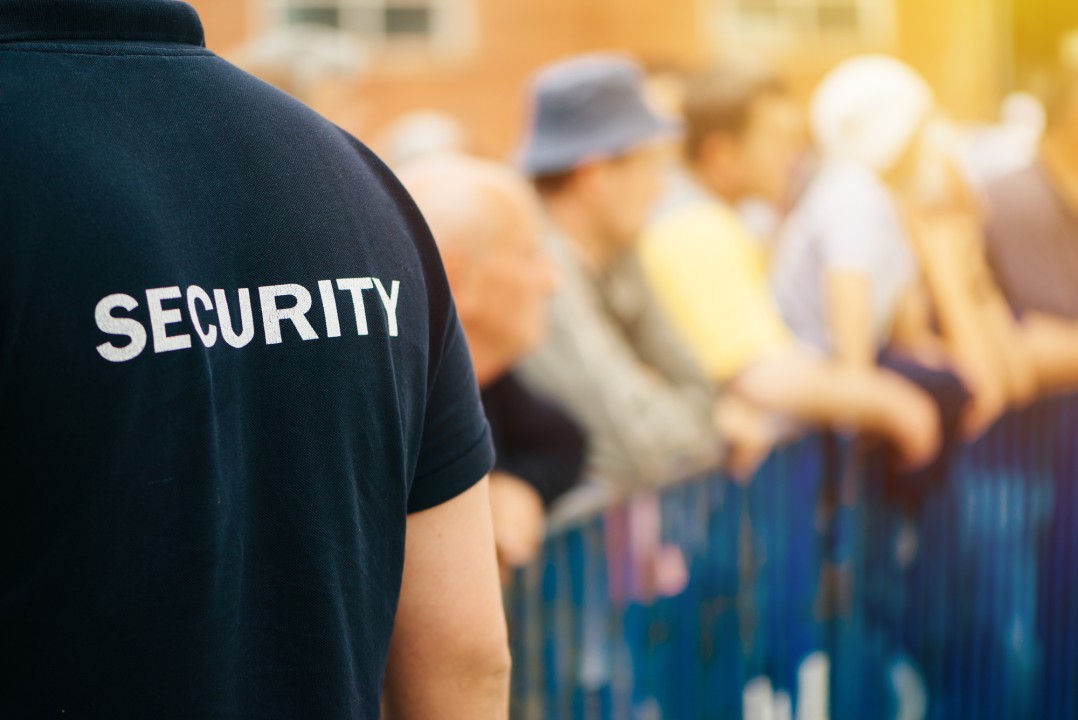
Organizing major gatherings requires smart planning where safety stands at the center of every move. Strong security measures create a sense of trust for attendees and guests. Teams prepare through structured plans, trained professionals, and modern coordination systems. Each step ensures that every action is clear and ready for quick response. You can visit us to see how these processes build a reliable structure that adapts to every situation effectively, protecting both people and property during critical moments.
Strategic Planning Foundation
Every large event begins with detailed groundwork that focuses on safety from the start. Planners assess venue layout, crowd size, and entry controls carefully. A structured security design prevents unwanted risks and keeps management smooth. It aligns with local regulations, ensuring each section works toward one organized goal.
Technology-Driven Coordination
Modern control systems enhance real-time awareness through integrated communication channels. Surveillance tools, digital mapping, and data links help teams share information instantly. This approach strengthens overall security by improving reaction time to possible issues. Quick decisions protect participants and keep the environment stable and calm.
Team Training and Readiness
Trained teams handle challenges with discipline and practical knowledge. Regular sessions focus on observation, crowd guidance, and emergency drills. Skilled members perform assigned duties effectively, maintaining the event’s flow. A prepared team ensures that security standards remain consistent throughout the entire operation.
Emergency Communication Protocols
Clear communication channels build trust among staff during urgent moments. Response groups rely on direct lines and simplified alert systems. Coordinators ensure that each message reaches the right unit instantly. This method reduces confusion and improves security action within the shortest possible time.
Response Systems Implementation
Response units function best when coordination combines planning and alert tools, encouraging communities to visit us and learn how preparedness enhances safety. A layered system manages incidents before they affect the public area. Command centers track movements and guide teams toward faster results.
- Trained teams monitor surroundings, ensuring safe public movement paths.
- Rapid alerts notify responders through accurate central control channels
- Continuous updates strengthen awareness for each active response group.
- Visual tracking supports prompt action, preventing larger crowd disturbances.
- Coordinated response keeps activities uninterrupted during unexpected moments
Operational Assessment Process
Once the event concludes, a full review measures how each process performed. Data helps organizers identify gaps and improve upcoming plans effectively. Reports include crowd handling, staff timing, and communication flowcharts. These insights elevate security strength by converting observations into improved operational systems.
Careful evaluation builds confidence for future projects by strengthening existing frameworks. When the structure functions well, fewer disruptions occur during future gatherings. Organized efforts ensure that people feel safe while attending large events. Overall planning under security coordination systems delivers assurance and reliability for every managed function.
FAQs
How are crowd risks controlled effectively?
Crowd risks are managed using alert systems combined with trained personnel.
What makes team training more effective?
Regular exercises focus on discipline observation techniques and quick response readiness.
Why is coordination crucial during emergencies?
Coordination keeps actions structured, ensuring accurate security response at every level.
