

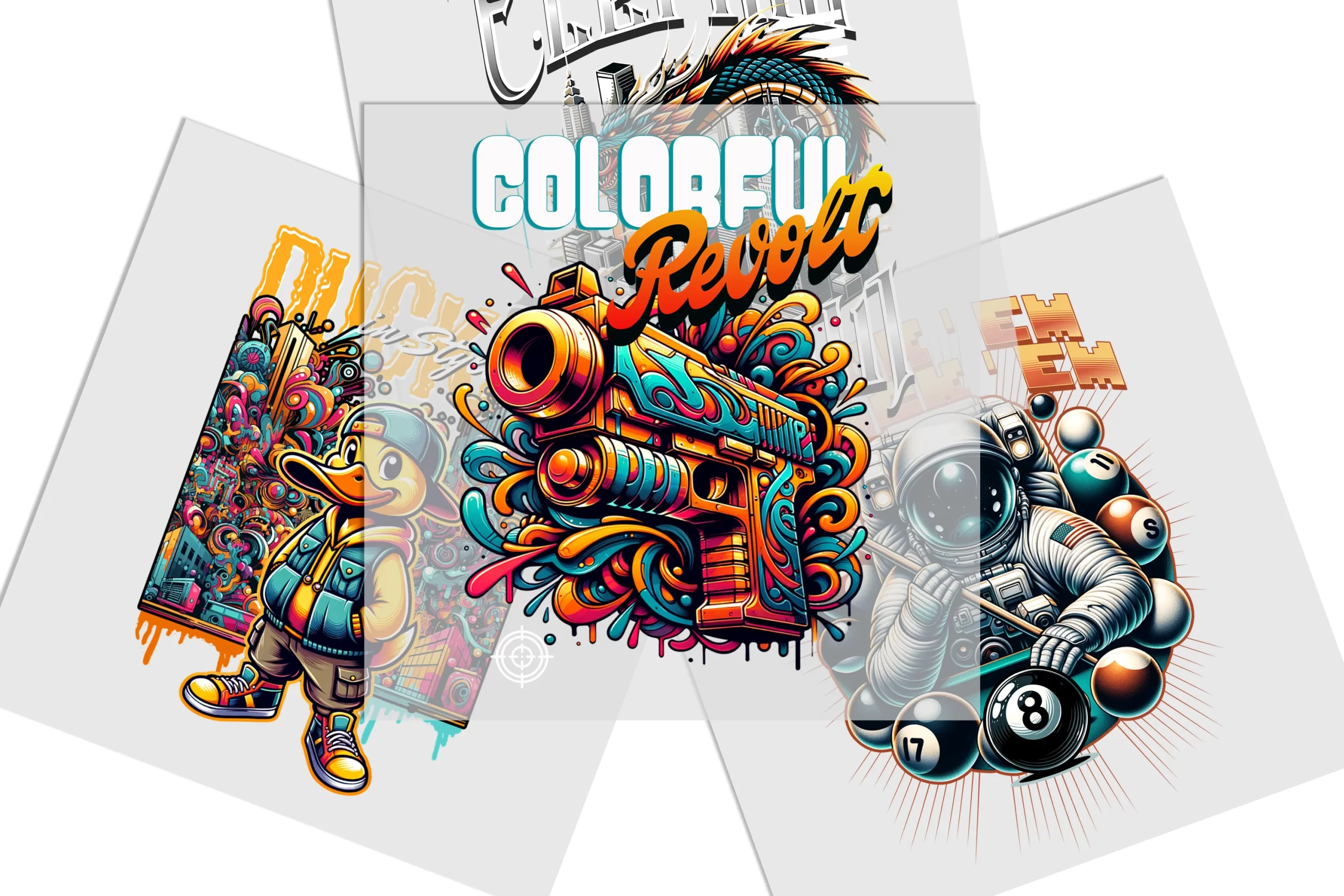
Amateur prints fall apart after a few washes, while professional work survives years of abuse. DTF achieves this durability through adhesive science, ink chemistry, and application precision that create bonds deep inside fabric structures. DTF Transfers dig into fibres rather than coating surfaces like failed technologies that wash away fast. Deep bonding laughs at mechanical wear, detergent attacks, and dryer heat that kills surface graphics.
Adhesive powder chemistry
Hot melt powder melts at exact temperatures, flowing between fabric threads during pressing. These tiny particles cool into thousands of solid bridges connecting the film to individual fibres. Distribution across entire designs beats continuous adhesive sheets that peel once any edge lifts. Polyamide and polyurethane formulations grab natural and synthetic fibres through two separate mechanisms working simultaneously. Cotton sucks melted adhesive into porous fibre structures while polyester surfaces form molecular bonds with matching adhesive chemistry. This double-action explains why DTF succeeds where single-mechanism methods fail across different materials.
Textile ink properties
- Encapsulated pigments protect color molecules from oxygen, UV rays, and chemical assault during aggressive washing
- Ink layers stay thin enough for comfort without sacrificing the durability that customers demand from professional work
- Cross-linked polymer networks resist abrasion from fabric rubbing against fabric during wear and washing
- Layered ink structures bond together, creating composite strength exceeding what individual layers could survive alone
Heat application parameters
Temperature control separates successful applications from garbage that peels quickly. Too little heat leaves the adhesive partially melted, creating weak bonds that die fast. Too much heat destroys fabric or makes adhesive brittle. Sweet spot temperatures between 160-170°C melt adhesive perfectly while curing ink completely without wrecking anything. Pressure matters as much. Uneven pressure leaves spots where adhesive never penetrates fibres properly, creating weak areas guaranteed to peel. Quality presses maintain identical pressure across entire surfaces, producing bonds that survive washing punishment.
Fibre penetration depth
- Open weave structure correlates directly with penetration depth, making loose materials perfect for maximum bond strength
- Yarn twist affects adhesive flow around threads, with looser twists exposing more surface area for bonding
- Heavy fabrics need more adhesive powder to coat fibres adequately throughout their thickness
- Treated synthetic surfaces change adhesive wetting behaviour, demanding chemistry tweaks for proper polyester bonding
Washing cycle resistance
Washing machines beat prints mercilessly through tumbling, flexing, and detergent chemicals that destroy weak bonds. DTF adhesive survives this abuse through elasticity, absorbing punishment without breaking. The adhesive bends with fabric during violent tumbling, avoiding stress concentration that cracks rigid coatings instantly. Detergents cannot touch properly cured adhesive. Modern laundry chemistry throws alkaline solutions, surfactants, and enzymes at everything, but these chemicals bounce off cured adhesive matrix protecting designs. Hot wash to cold rinse cycling does nothing because adhesive glass transition temperatures sit way above typical laundry conditions.
DTF durability stems from adhesive diving deep into fibres, pigment inks resisting environmental destruction, precise heat-activating bonds correctly, thorough fibre infiltration, and flexible polymers surviving wash abuse. These elements combine into systems producing graphics that outlast the garments themselves. Technology finally brought screen printing durability levels to custom work while keeping the flexibility that traditional methods never offered.
