

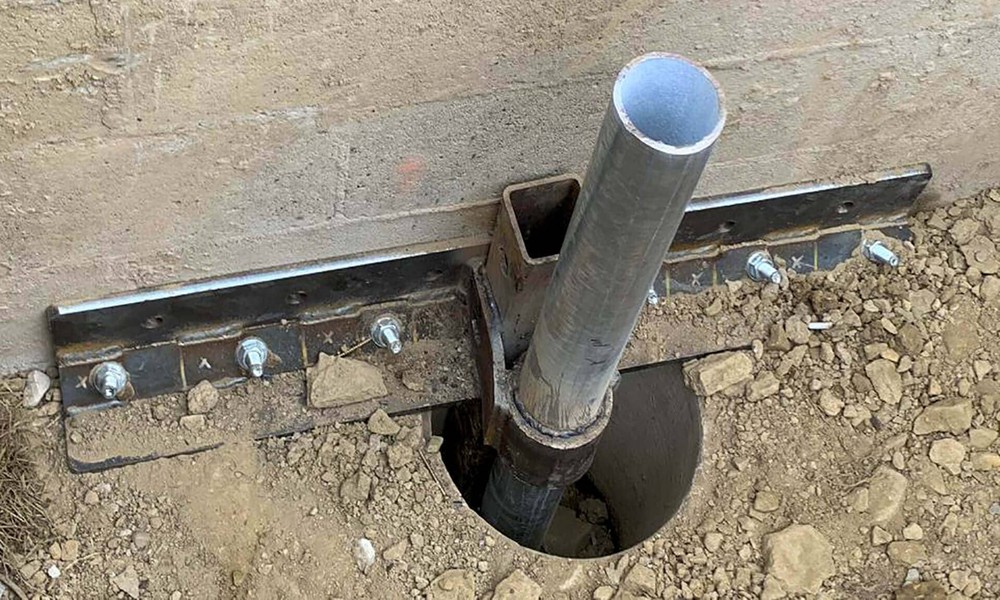
Choosing the wrong location for pipe placement can leave you chasing leaks, battling maintenance headaches, and watching costs spiral. On the other hand, a smart, efficient approach to identifying ideal pipe locations saves time, money, and headaches for years to come. Here’s how to get it right from the start.
Understanding the Importance of Choosing Optimal Pipe Locations
Selecting the best spot for pipe installation goes far beyond simply finding empty ground. The right placement affects project efficiency, future repair costs, and the longevity of the entire system. For municipal and industrial projects, location decisions can mean the difference between seamless operations and ongoing disruptions.
Why Does Location Matter for Efficiency, Cost, and Longevity?
Every foot of extra pipe increases materials, labor, and long-term maintenance. Poor placement can also expose pipes to external risks: soil shifts, freeze-thaw cycles, and even accidental damage from future construction. Overlooking these factors may seem minor at first, but their impact grows with each project phase.
What Are Common Challenges in Selecting Pipe Locations?
Access constraints, outdated maps, and hidden underground obstacles routinely complicate pipe layout. Environmental regulations, property boundaries, and urban development further limit options. Navigating these challenges requires a blend of traditional experience and modern problem-solving.
Traditional Methods for Identifying Pipe Locations
Long before high-tech tools, crews relied on boots-on-the-ground know-how and careful records.
Visual Inspection and Site Surveys
Walking the proposed route, experts look for telltale signs: surface dips, markers from old plans, or hints of previous disturbances. Physical surveys often uncover critical details missed on blueprints.
Using Historical Data and Existing Infrastructure Maps
Old records and maps can offer clues about buried utilities or past projects. However, such data is frequently incomplete, outdated, or missing crucial updates.
Pros and Cons of Conventional Approaches
Traditional methods bring hands-on insight and adaptability but are often time-consuming and prone to human error. Surveyors might miss underground risks or misinterpret faded data, causing costly surprises later.
Advanced Technological Approaches
Innovation has transformed how professionals locate and plan new pipe routes.
Geographic Information Systems (GIS) and Mapping Software
Digital mapping platforms integrate layers of data: soil types, existing utilities, topography, and zoning restrictions. GIS makes it possible to visualize multiple factors at once, revealing optimal routing that might not be obvious on paper.
Sensors and Remote Monitoring Technologies
Ground-penetrating radar, electromagnetic sensors, and remote monitoring devices detect hidden hazards and existing infrastructure. These technologies minimize the risk of accidental hits and provide a more accurate picture of what lies beneath.
Benefits and Limitations Compared to Traditional Methods
Modern tools deliver speed, accuracy, and data-rich insights, especially for complex or large-scale projects. Limitations can include the need for specialized skills and higher upfront costs, though these often pay off by preventing expensive mistakes.
Comparative Analysis of Location Selection Strategies
How do traditional and tech-driven methods stack up? Here’s a look at key categories:
| Criteria | Manual Methods | Tech-Driven Methods |
|—————|————————|—————————–|
| Accuracy | Moderate; risk of error| High; data-verified |
| Speed | Slow, labor-intensive | Fast, automated |
| Cost (Short-Term)| Lower upfront | Higher upfront |
| Cost (Long-Term)| Higher, risk of rework| Lower, fewer surprises |
| Scalability | Limited | Easily scalable |
Manual approaches rely on experience but slow projects down. Tech-driven strategies demand some investment but reward teams with precision and efficiency, especially on larger projects.
Case Studies: Success Stories from Stealth Pipe Locations
Canadian cities like Montreal, Leduc, and Woodstock have each faced their own pipe location challenges. In Montreal’s historic urban grid, integrating GIS with site surveys prevented clashes with old utility lines. Leduc’s varied soil required careful sensor deployment to avoid shifting ground, while Woodstock’s fast-paced growth demanded scalable, adaptable mapping.
South of the border, Camden, NJ, illustrated the importance of blending local knowledge with modern technology. There, teams paired historical records with real-time underground imaging to navigate dense, mixed-use zones.
For a look at logistical reach and proven expertise, the Stealth Pipe and Steel locations across Canada and the U.S. stand out as case studies in strategic placement and resourceful project management.
Insider Tips to Streamline the Pipe Location Process
– Combine Old and New Data: Don’t just rely on one source. Cross-reference historical maps with digital data for the fullest picture.
– Tap Local Experts: Field workers and local engineers know about unofficial obstacles or quirks that records may not show.
– Watch for Hidden Pitfalls: Don’t skip soil analysis or overlook seasonal changes (like freeze risks) that could undermine your plans.
Collaboration across disciplines and clear communication are key. The best results come from teams who combine deep experience with the latest tech.
Future Trends in Pipe Location Identification
Emerging tools are making the process even smarter. AI is beginning to predict optimal pipe routes by analyzing variables like traffic, future development, and environmental sensitivity. Drones and remote sensors collect real-time data faster than ever before. As the industry shifts toward greener standards, expect sustainability and impact analysis to play a larger role in site selection.
Conclusion: Choosing the Best Approach for Your Needs
Matching the right methodology to your project means balancing budget, timeline, and long-term reliability. Build in some flexibility, circumstances change, and so do best practices. Whether you lean on experience, technology, or a blend of both, the best outcomes come from planning, collaboration, and the willingness to adapt. Efficient pipe placement saves more than money; it sets the foundation for growth and peace of mind.
