

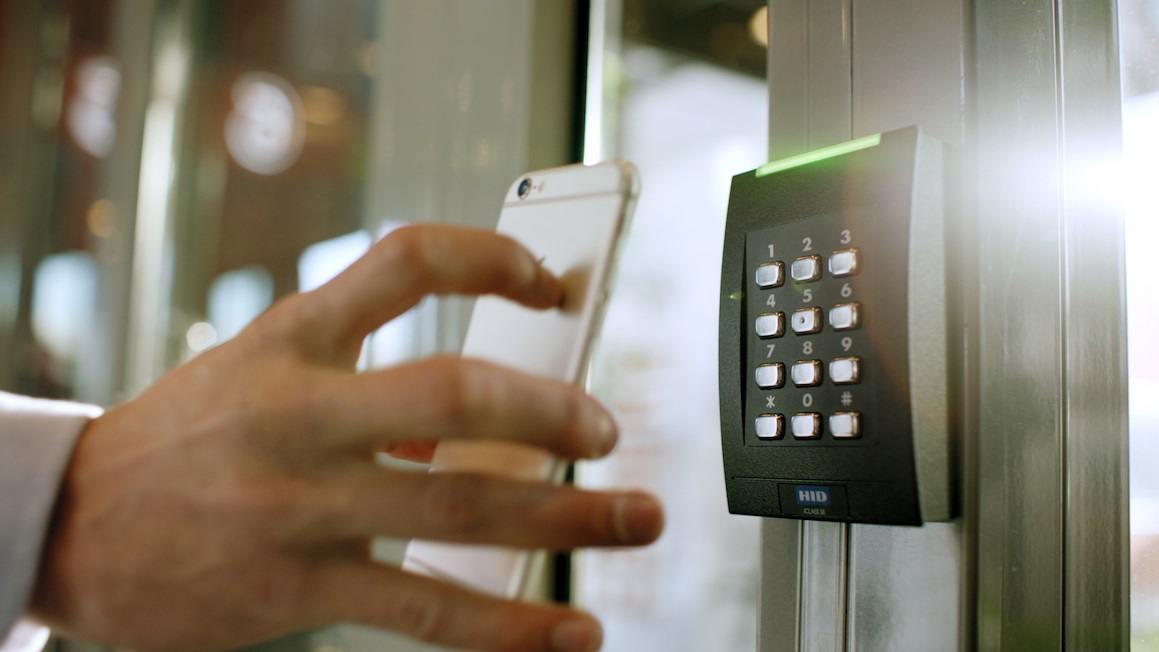
Are you worried about the security of your building’s entry points? A recent study showed that improved door access control systems significantly enhance building security. This article will guide you through five practical ways to bolster your system, ensuring better protection for your premises.
Keep reading to discover how easy it is to upgrade your safety measures.
Evaluate your Access Control System
Assess your Access Control System to identify weak areas and align with industry regulations, implement PDK access control, secure administrative access, and consider cloud-based solutions.
Ensure multi-factor authentication is in place to enhance security layers.
Identify weak areas
Identifying weak areas in your door access control systems is crucial for maintaining high-security standards. Conducting regular audits of users plays a significant role in this process, allowing you to pinpoint unauthorized access or user credential discrepancies.
Evaluating the effectiveness of current security measures, such as door contacts on every exterior doorway and understanding who has control over these systems, also helps reveal vulnerabilities that might compromise building entry control.
Furthermore, limiting primary entrances ensures controlled entry into facilities, enhancing overall door security. By performing periodic tests on access control technology, including keyless entry and biometric access features, potential loopholes can be discovered before they are exploited.
Regular reviews and updates of access levels are essential to adapt to changing security needs promptly. Keeping up with technology advancements strengthens the locking systems and surveillance system’s efficiency, making sure your electronic security setup stays ahead of threats.
Automate user provisioning
Automating user provisioning is essential for maintaining efficient access control systems. By automating this process, organizations can streamline the onboarding and offboarding of users, ensuring that access privileges are promptly granted or revoked as needed.
This not only enhances security but also reduces the risk of unauthorized access to sensitive areas within the premises. Utilizing automated user provisioning helps in aligning with industry regulations and best practices while also enabling easy management of individual access levels.
Implementing automation in user provisioning empowers organizations to maintain a meticulous record of individuals who have access to the system, enhancing overall security standards.
Additionally, it ensures that authorized personnel have timely and appropriate entry-point restrictions for buildings, thus fortifying staff awareness about securing entry points.
Incorporation of multi-factor authentication further bolsters security measures by adding an extra layer of protection against unauthorized access attempts. By embracing technology updates and leveraging automated user provisioning methods, organizations can stay ahead in safeguarding their facilities effectively.
Implement multiple security layers
Regularly reviewing and updating access levels is crucial to maintaining security standards within a door access control system. By aligning with industry regulations, using multi-factor authentication, implementing identity and access management, and securing administrative access, a robust security posture can be achieved.
Additionally, considering the benefits of cloud-based access control software for enhanced security can greatly improve the overall efficiency and safety of the system. Moreover, implementing PDK access control provides an added layer of security to restrict entry points effectively.
By embracing these multiple layers of security measures within door access control systems, organizations can ensure that their premises are protected against unauthorized entry attempts while upholding the highest standard in physical security best practices.
Align with industry regulations
Aligning with industry regulations is crucial to ensuring the security and integrity of your access control system. It is essential to conduct regular audits, update technology, and review access levels in compliance with industry standards.
Cloud-based access control software can offer enhanced security features that align with industry regulations. By understanding who has access to the system controls and limitations, as well as regularly reviewing and updating access levels, you can maintain a secure environment within the parameters set forth by the industry regulations.
In addition, installing door contacts on every exterior door adds an extra layer of security while meeting regulatory guidelines for entry point restriction. This proactive approach ensures that your door access control systems meet or exceed industry standards, providing peace of mind regarding building security.
Use multi-factor authentication
Implementing multi-factor authentication (MFA) significantly enhances the security of door access control systems. MFA requires users to provide two or more forms of identification before gaining access, thereby reducing the risk of unauthorized entry.
By incorporating MFA into the system, businesses can add an extra layer of protection and safeguard sensitive areas more effectively, aligning with industry best practices. This approach adds an additional level of complexity for potential intruders while providing peace of mind for organizations seeking heightened security measures.
Moreover, by implementing MFA within door access control systems, companies can stay ahead of emerging threats and regulatory requirements. With MFA in place, businesses can ensure that only authorized personnel gain entry through their doors, contributing to a robust and comprehensive security strategy that minimizes vulnerabilities and potential breaches.
Implement identity and access management
Regularly review and update access levels to maintain security standards. Understand who has access to the access control system controls and limitations. Perform an audit of individuals who have access to the system and update technology to improve security.
Identify weak areas, implement multiple security layers, secure administrative access, and consider cloud-based access control for enhanced security. Use multi-factor authentication methods to further strengthen identity verification processes.
Evaluate your Access Control System by implementing PDK access control, ensuring controlled entry into buildings, and installing door contacts on every exterior door for added security.
Align with industry regulations for compliance while considering the benefits of cloud-based software solutions tailored towards ever-evolving technological advancements in enhancing overall efficiency and securing building entries.
Secure administrative access
When it comes to securing administrative access, it is crucial to regularly review and update access levels in order to maintain security standards. Understanding who has access to the system controls and limitations is essential for enhanced security.
Ensure that individuals with administrative access are limited and authorized appropriately. Implementing multi-factor authentication can add an extra layer of security, preventing unauthorized access attempts.
Regularly conducting audits of users who have administrative privileges helps in maintaining a secure environment. It’s advisable to consider cloud-based access control software for advanced security measures.
It is important to implement robust identity and access management (IAM) practices as part of securing administrative access for improved security posture. This involves aligning with industry regulations, implementing PDK (Physical Discrete Keys) Access Control, staying updated on technology advancements, and utilizing surveillance systems where necessary.
Enhancing staff training on accessing sensitive areas can further improve the overall efficiency and security of an organization’s access control system.
Consider cloud-based access control
Consider implementing cloud-based access control software to enhance the security of your door access control system. Cloud-based systems provide added flexibility and scalability, allowing for remote management and easy integration with other security technologies.
By leveraging cloud-based solutions, businesses can benefit from real-time monitoring and updates, ensuring that their access control system is always up-to-date with the latest security features.
In addition to improving accessibility and convenience, cloud-based access control offers enhanced data protection through encrypted communications and secure storage. This helps in preventing unauthorized access attempts and ensures that sensitive information remains safeguarded.
By embracing cloud technology for access control, organizations can elevate their overall security posture while staying ahead of potential threats.
Implement access control
Regularly audit the individuals with access to the system and upgrade technology to enhance security. Employ cloud-based access control software for improved security measures. Evaluate primary entrances and install door contacts on exterior doors to ensure controlled entry into buildings.
Regularly review and update access levels to maintain security standards effectively.
Improve Your Access Control System
Enhance your access control system by regularly testing it and monitoring access privileges. Stay updated on technology advancements and be aware of door tailgating to ensure maximum security.
Regularly test the system
Regularly testing the access control system is crucial to ensure its effectiveness and security. Here are key actions to consider:
- Schedule routine system tests to identify any vulnerabilities.
- Conduct simulated breach attempts to assess the system’s response.
- Review and analyze test results to address weaknesses promptly.
- Implement regular software updates and patches to maintain system integrity.
- Train staff on proper use of the access control system and response in case of breaches.
These steps can help maintain a robust and secure door access control system.
Monitor access privileges
To maintain the security of the access control system, it is essential to monitor access privileges. Regularly reviewing access levels and users ensures that only authorized individuals have appropriate clearance. Here are some key actions to consider:
- Conduct regular audits of users to safeguard the integrity of the access control system.
- Periodically review and update access levels to uphold security standards.
- Stay attuned to who has access to the system, understanding their controls and limitations.
- Perform audits of individuals with system access and upgrade technology for enhanced security.
By closely monitoring access privileges, you can effectively strengthen the security of your door access control systems.
Stay updated on technology advancements
Regularly staying updated on technology advancements is crucial for enhancing the security of your access control system. By continuously monitoring and integrating new technological solutions, you can proactively address emerging security threats and vulnerabilities.
For example, upgrading to the latest access control software can provide advanced features such as real-time monitoring, remote management capabilities, and enhanced encryption protocols.
Additionally, embracing innovative technologies like biometric authentication or AI-powered surveillance systems can significantly bolster the overall security of your access control infrastructure.
Furthermore, leveraging cutting-edge technology advancements allows you to adapt to evolving industry regulations and compliance standards more effectively. Cloud-based access control solutions present opportunities for scalability and flexibility while ensuring robust data encryption practices.
By keeping abreast of these technological developments, you empower your organization with forward-thinking security measures that align with the everchanging landscape of door security enhancement.
Be aware of door tailgating
Door tailgating is a common security breach where unauthorized individuals gain access to a secure area by following closely behind an authorized person. It is important to educate employees about the dangers of tailgating and emphasize the need for vigilance when entering secure areas.
Implementing measures such as installing turnstiles, using security guards, or integrating anti-tailgating technology into access control systems can help mitigate this risk and enhance overall security.
Regularly educating employees on the dangers of door tailgating will make them more vigilant, reducing the likelihood of unauthorized entry. Additionally, leveraging anti-tailgating technology and physical barriers will act as deterrents against unauthorized access attempts.
Training staff to recognize and report suspicious behavior can further strengthen your security measures and protect sensitive areas from potential breaches.
Remove and dispose of spare keys.
Remove and dispose of spare keys to enhance security. Spare keys can pose a significant security risk if they fall into the wrong hands, as they could be used to gain unauthorized access to buildings or sensitive areas.
It is advisable to remove any extra or unnecessary keys from circulation and ensure proper disposal. By doing so, you can effectively limit access and strengthen the overall security of your access control system.
Conclusion
Here’s a conclusion for the given sub-heading:
Boost security with door access control systems by evaluating, improving, and continually testing your system. Regularly updating technology and staying on top of potential vulnerabilities are key to a secure access control strategy.
Stay vigilant and enhance your overall efficiency with these proactive measures.
