

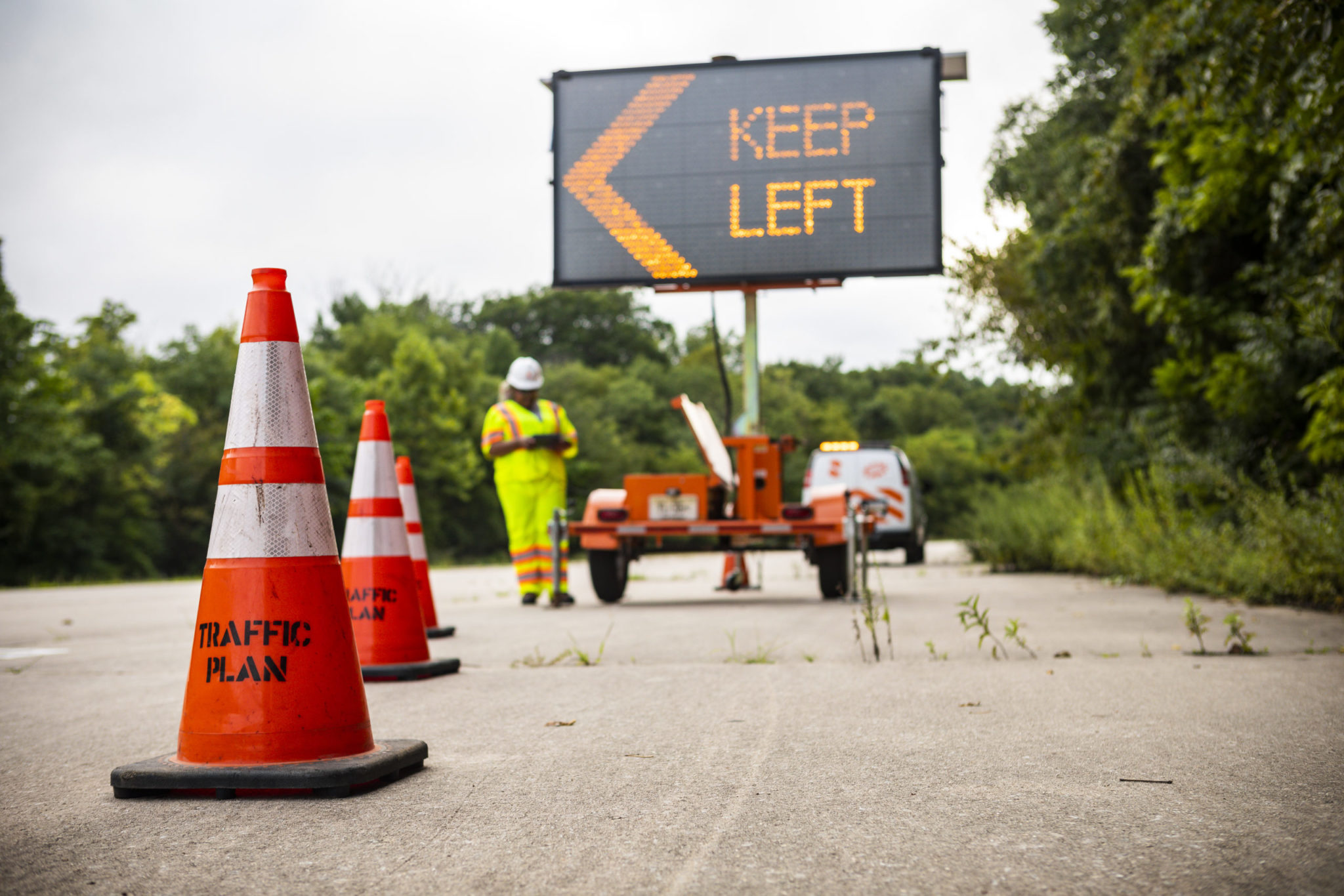
Roadways are constantly in flux. Construction, special events, and urban growth push city streets and highways to their limits. But while traffic congestion and delays grab headlines, the innovations happening behind the scenes in traffic control are steering us toward safer, more efficient roads than ever before.
How Traffic Control Plans Have Evolved: A Historical Snapshot
Traffic control was once little more than a few signs and a handful of cones, with workers risking their safety to direct unpredictable traffic flow. In the early days, lack of standardized procedures made every project an experiment in crowd control. Accidents were frequent, and delays were almost guaranteed.
The introduction of standardized guidelines transformed the industry. In Ontario, for example, OTM Book 7 established uniform procedures for everything from signage to lane closures. This created a playbook that municipalities and contractors could rely on, ensuring consistency and safety. Since then, traffic management has become a field defined by expertise, planning, and a constant search for smarter solutions.
Case Study: Implementing Flagging Crews on Two-Lane Roads
Imagine a critical water main repair that requires closing one lane of a two-lane road during rush hour. Every decision counts. In this scenario, a trained flagging crew becomes the linchpin of both safety and efficiency.
Flaggers set up clear signage far in advance, establish communication points, and alternate traffic flow to minimize wait times. Experienced teams adapt to site-specific hazards, such as tight curves or limited sightlines. By the end of the project, lessons emerge: clear communication, real-time adjustments, and an experienced crew keep both drivers and workers safe, even under high-pressure conditions.
Designing Site-Specific Traffic Control Plans for Urban Permits
When contractors apply for a road occupancy permit, municipalities now want more than a generic layout. They demand site-specific plans that account for unique traffic patterns, pedestrian zones, and emergency access points. Collaboration between contractors and experienced drafters is now essential.
Municipalities may request detailed detour routes, precise sign placements, and contingency plans for adverse weather. Working closely with drafters who understand local regulations and expectations, like those behind Salus Traffic Control services, ensures that plans are not only approved faster but also implemented without costly last-minute changes. This attention to detail dramatically reduces project delays and increases compliance.
Temporary Road Management for Special Events
From the chaos of parades to the unpredictability of film productions, temporary road management faces challenges that construction zones rarely encounter. Crowds ebb and flow. Event schedules can change by the hour.
Take, for example, a large Toronto festival that requires closing major downtown lanes. Coordination between city officials, event organizers, and traffic control specialists becomes a logistical ballet. Teams must create pedestrian-friendly detours, manage delivery access for vendors, and ensure emergency vehicles can pass at all times. Adaptability is the name of the game, and a successful event often depends on innovative solutions that go beyond the manual.
Equipment Rentals and Technology Integration in Traffic Management
The right equipment can mean the difference between a smooth closure and a traffic nightmare. Professional-grade cones, digital signboards, and temporary barriers are now available for rent, making it easier for even small contractors to meet high standards.
But equipment is only half the story. Decisions about what to rent depend on the size and duration of the project, as well as the specific risks involved. For example, bright, programmable signs may significantly reduce driver confusion in busy urban areas, while lightweight barriers are preferable for quick, overnight projects.
Emerging technologies are also making waves. Remote-controlled barriers, real-time GPS tracking for signage, and integrated communications platforms are starting to appear on job sites, increasing both safety and efficiency.
Future Trends in Traffic Control and Temporary Road Management
The next wave of innovation is already here. Smart traffic control systems are beginning to replace manual flagging in some cases, using sensors and artificial intelligence to adjust signals dynamically. Automation speeds up response times and reduces human error, making work zones safer for both workers and drivers.
Environmental and safety considerations are also moving to the forefront. Low-emission vehicles, solar-powered signage, and recyclable barriers are just the start. As cities become denser and infrastructure demands increase, the industry is preparing for a future in which flexibility and adaptability are essential.
Conclusion: Key Takeaways from Real-World Applications
The evolution of traffic control and temporary road management is more than just a story of cones and signs. It is a testament to planning, expertise, and the drive for safer streets. Case studies highlight how experienced flagging crews, detailed site-specific plans, and innovative equipment choices make the difference between chaos and order. For professionals in the field, the most valuable lessons are clear: stay adaptable, embrace new technologies, and always put safety first. These principles will guide the next generation of traffic control as our cities continue to grow and change.
